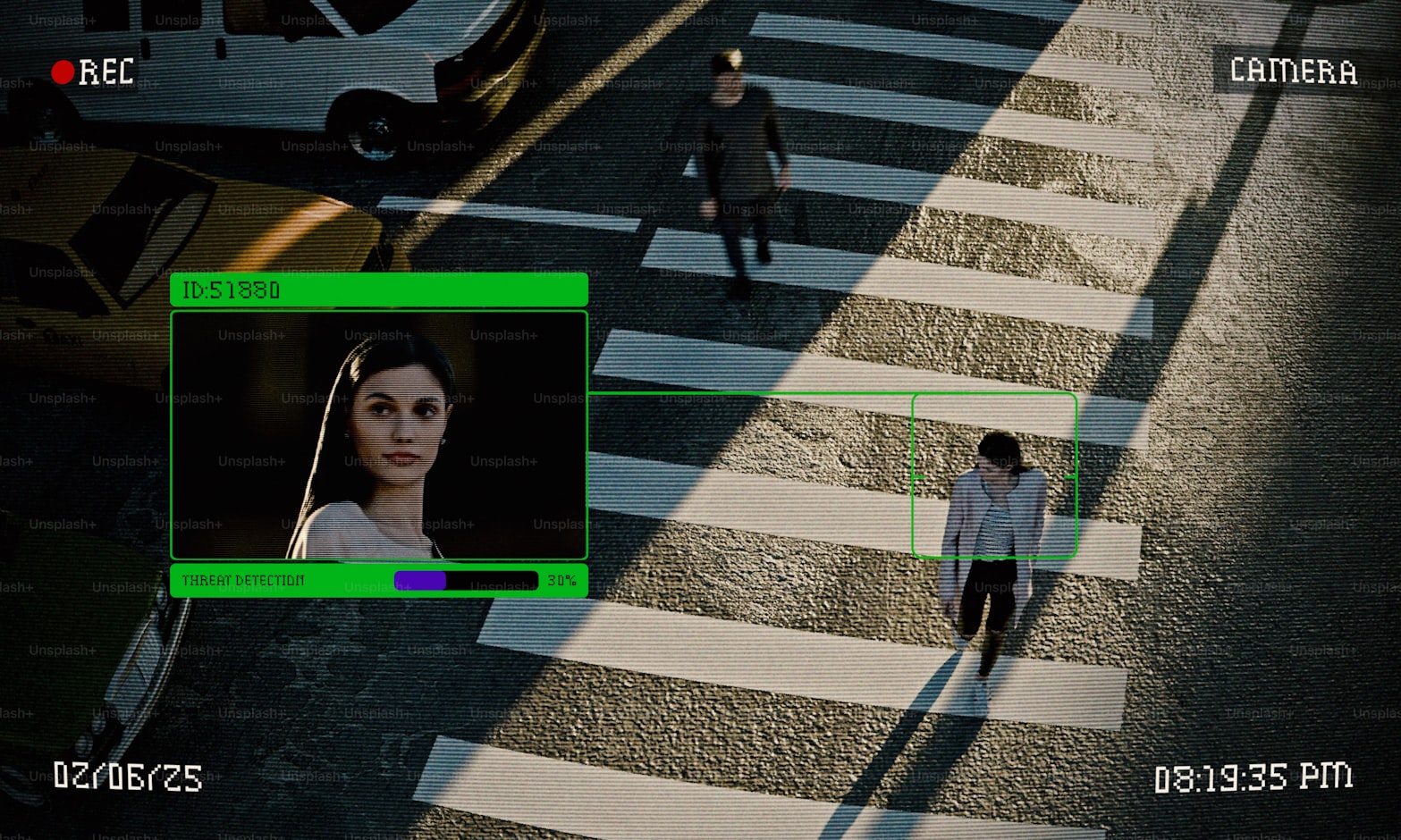

Cyber security has become one of the most important challenges facing New Zealand organisations. As businesses, government agencies, healthcare providers, and critical infrastructure operators become increasingly reliant on digital systems, the potential impact of cyber incidents continues to grow.
Recent findings from New Zealand’s National Cyber Security Centre (NCSC) indicate that the cyber threat environment remains active and complex. The NCSC’s Cyber Threat Report 2025 identified several key risks affecting organisations across the country, including state-sponsored cyber activity, ransomware operations, supply chain vulnerabilities, hacktivist campaigns, and the continued exploitation of unpatched systems. The report also highlighted that nearly 6,000 cyber security reports were received during the 2024/25 financial year, with more than 300 incidents assessed as having potential national significance. (NCSC NZ)
One of the most significant concerns is the increasing sophistication of cybercriminal operations. The rise of “cybercrime-as-a-service” has lowered the barrier to entry for attackers, enabling less technically skilled threat actors to access advanced tools, infrastructure, and ransomware platforms. This trend has increased the likelihood of attacks targeting organisations of all sizes, including small and medium-sized businesses that may have fewer security resources available. (NCSC NZ)
Supply chain security has also emerged as a growing area of concern. Modern organisations rely on complex networks of software providers, cloud platforms, managed services, and third-party vendors. A security weakness within one supplier can create downstream risks for multiple organisations, making vendor risk management and security assessments increasingly important. The NCSC has identified supply chain compromise as one of the most significant emerging challenges facing New Zealand organisations. (NCSC NZ)
Artificial intelligence is creating both opportunities and challenges for security teams. While AI-powered tools are helping organisations improve threat detection, automate monitoring, and accelerate incident response, cybercriminals are also applying AI to develop more convincing phishing campaigns, deepfake content, and social engineering attacks. As a result, organisations must combine technology investments with ongoing employee awareness and security training.
Government agencies continue to encourage organisations to focus on cyber resilience rather than prevention alone. Strong identity management, multi-factor authentication, regular software updates, security monitoring, incident response planning, and staff education remain among the most effective measures for reducing cyber risk. The integration of CERT NZ into the NCSC has also strengthened New Zealand’s coordinated response capabilities and support services for organisations facing cyber incidents. (Govt.nz)
Looking ahead, security and protection will remain central to New Zealand’s economic stability and digital growth. Organisations that invest in resilience, governance, and proactive security practices will be better positioned to manage emerging threats while maintaining trust with customers, partners, and stakeholders. In an environment where cyber threats continue to evolve, security is increasingly becoming a business priority rather than solely an IT responsibility.
References
- National Cyber Security Centre (NCSC) Cyber Threat Report 2025 – https://www.ncsc.govt.nz/insights-and-research/cyber-threat-reports/cyber-threat-report-2025/
- NCSC Key Judgements for 2025 – https://www.ncsc.govt.nz/insights-and-research/cyber-threat-reports/cyber-threat-report-2025/key-judgements-for-2025/
- NCSC Quarterly Cyber Security Insights Reports – https://www.ncsc.govt.nz/insights-and-research/insights-reports/
- National Cyber Security Centre | NZ Government – https://www.govt.nz/organisations/national-cyber-security-centre/
- NZSIS Security Threat Environment 2025 – https://www.nzsis.govt.nz/our-work/new-zealands-security-threat-environment/security-threat-environment-2025