Security has changed. For years, CCTV was mainly used as evidence after something had already gone wrong. A break-in occurred, footage was reviewed, and the business was left dealing with loss, disruption and insurance claims.
Today, the goal is different: detect risk early, verify what is happening, slow or stop the offender, alert the right people, and give the business useful information in real time.
This is where modern security and protection technology becomes powerful.
CCTV Has Become a Business Intelligence Tool
CCTV is still the foundation of most business security systems, but modern cameras are far more capable than traditional recording devices. High-resolution cameras, wide dynamic range, low-light performance, thermal imaging and remote access now allow businesses to monitor sites clearly in difficult conditions.
The real advancement is the move from passive recording to intelligent observation.
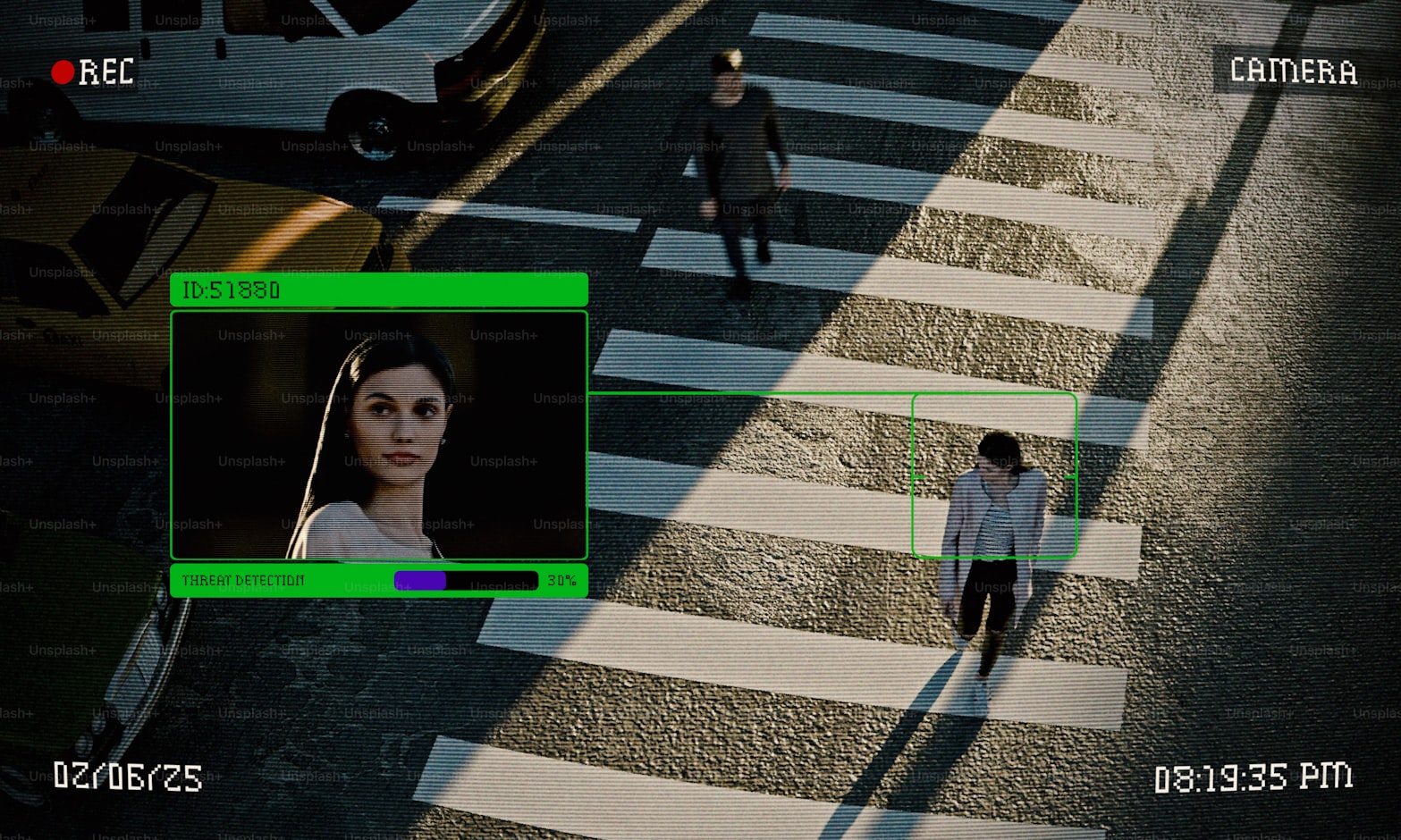
AI-enabled CCTV can identify unusual movement, detect people entering restricted zones, recognise vehicles, count foot traffic, detect loitering, monitor queues, identify abandoned objects, and alert managers when something needs attention.
For a retail business, this could mean detecting after-hours movement near stock rooms. For a warehouse, it could mean identifying a person walking into a forklift zone. For an office, it could mean alerting management when someone enters outside approved hours. For a construction site, it could mean detecting trespassers before damage or theft occurs.
The value is not just security. CCTV analytics can help businesses understand customer flow, staffing pressure points, delivery activity, bottlenecks and site behaviour.
Fog Cannons: Immediate, Non-Violent Protection
Fog cannons are one of the most effective physical deterrents for businesses that face burglary, smash-and-grab theft, ram raids or high-value stock risk.
When triggered, a fog cannon rapidly fills an area with dense, harmless security fog. The offender cannot see the products, exits or layout clearly, which makes theft extremely difficult. Unlike CCTV, which records the event, a fog cannon actively disrupts the crime while it is happening.
Good examples include jewellery stores, electronics retailers, liquor stores, pharmacies, service stations, warehouses and stock rooms. In these environments, the goal is to protect staff first, then reduce product loss and property damage.
The best systems are not standalone. They are connected to alarms, panic buttons, motion sensors, monitored CCTV and access control. For example, if an intruder breaks into a retail store after hours, the alarm activates, cameras verify the event, the fog cannon deploys in the targeted area, and monitoring staff notify police or security patrols with verified information.
That combination is far stronger than a siren alone.
Building Security: Layered Protection Works Best
A strong business security system should be layered. No single technology solves every risk.
The most effective building security strategy includes:
Perimeter protection, such as gates, fencing, bollards, roller doors and external cameras.
Entry protection, including smart locks, access control, intercoms and visitor management.
Internal detection, such as motion sensors, glass-break sensors, door contacts and panic buttons.
Active deterrence, including fog cannons, sirens, strobes, voice-down speakers and lighting.
Monitoring and response, with remote CCTV access, alarm monitoring, mobile patrols and incident reporting.
Cybersecurity for security devices, including secure passwords, firmware updates, network segmentation and controlled user access.
This layered model gives businesses multiple opportunities to prevent, detect and respond before a small incident becomes a major loss.
AI Analytics: From Alerts to Action
AI analytics is one of the biggest advances in physical security. Instead of asking a person to watch hours of footage, AI can identify patterns and exceptions.
Useful business applications include:
After-hours intrusion detection: AI can distinguish between a person, animal, vehicle or moving shadow, reducing false alarms.
Loitering detection: Useful for entrances, car parks, loading bays and high-risk retail areas.
Line crossing and restricted zone alerts: Ideal for warehouses, yards, plant rooms and staff-only areas.
People counting and occupancy tracking: Helpful for retail, events, health and safety, and compliance.
Vehicle recognition: Useful for logistics, gated sites, parking areas and delivery management.
Health and safety monitoring: AI can identify unsafe zones, blocked exits, crowding, falls or unusual behaviour.
Operational analytics: Businesses can review how people move through a site and improve layout, staffing and workflow.
The key is to design AI around real business outcomes. The best question is not “What can AI detect?” but “What risk or business problem are we trying to solve?”
Ingenious Use Cases for Business
A modern security system can do far more than catch criminals.
- Retail store's can use cameras to detect suspicious after-hours movement, trigger fog protection, and also analyse customer traffic during business hours.
- Warehouse's and factories can use AI cameras to monitor loading docks, detect unauthorised access, and improve health and safety around machinery.
- School or childcare centre's can combine access control, visitor management and CCTV analytics to protect entry points and manage emergency procedures.
- Hospitality venue's can use CCTV analytics to monitor crowding, detect aggressive behaviour, support incident investigations and improve staff safety.
- Office's can use smart access control to manage staff entry, contractors and visitors while maintaining audit trails for compliance.
- Construction site can use solar-powered cameras, AI intrusion alerts and remote monitoring to protect tools, machinery and materials outside normal hours. They can monitor for compliance across the site, are people onsite where appropriate PPE (Hi Vis, Hard Hats, Safety boots)
Privacy, Trust and Responsible Use
As security systems become smarter, businesses must use them responsibly. AI analytics, facial recognition and behavioural monitoring can create privacy concerns if deployed without clear rules.
Businesses should be transparent about what is being recorded, why it is being recorded, who can access the footage, and how long it is retained.
Good practice includes clear signage, role-based access, secure storage, audit logs, strong passwords, regular updates and documented policies. The aim is to protect people and property without creating unnecessary surveillance risk.
What Businesses Should Do Next
The best approach is to begin with a security review. Identify the main risks: theft, staff safety, unauthorised access, stock loss, vandalism, compliance, after-hours activity or operational blind spots.
Then design the system around those risks.
A strong business security plan should answer these questions:
What are we trying to protect?
Where are we most exposed?
What happens when an alarm activates?
Can we verify the event quickly?
Can we actively deter the offender?
Who receives the alert?
How is evidence stored?
Can the system also improve operations?
Conclusion
Security and protection technology has moved far beyond simple cameras and alarms. Modern businesses can now use CCTV, fog cannons, AI analytics, access control and smart building security as an integrated protection strategy.
The result is not only better security, but better business resilience. When systems are designed properly, they reduce loss, protect staff, improve response times, support compliance and provide valuable operational intelligence.
The future of business security is proactive, connected and intelligent. The businesses that adopt it early will be better protected, better informed and better prepared.